
Youth Participation in Patient Advocacy
– From Consultation to Shared Power
Youth participation in patient advocacy is not simply desirable—it is essential to building healthcare systems that are relevant, inclusive, and sustainable. Young people experience healthcare differently from older generations and bring perspectives that are often missing from decision-making spaces.
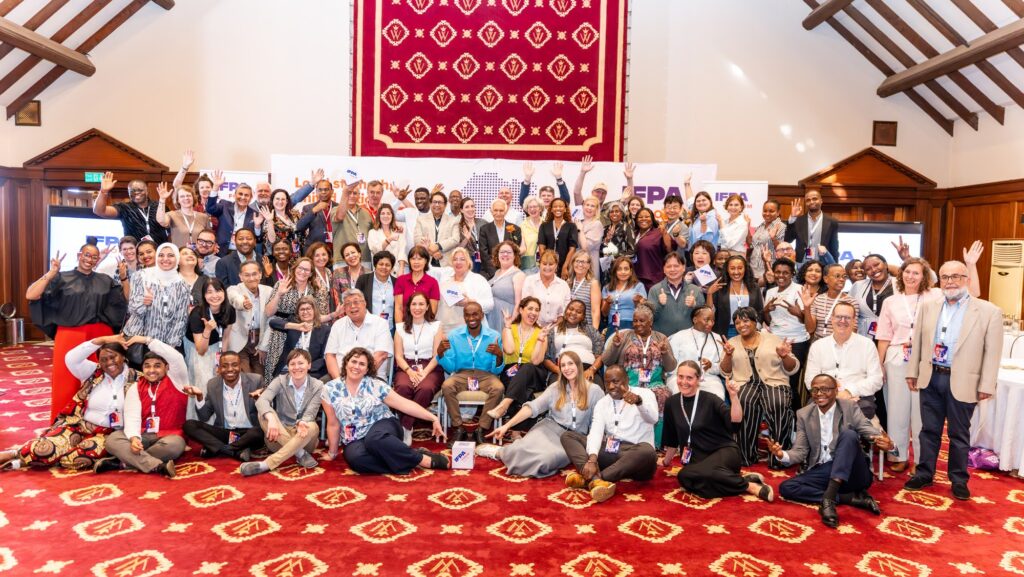
Yet despite the clear value of youth engagement, many patient organizations are struggling to involve younger generations.
Involving young people in advocacy for chronic conditions such as psoriatic disease improves both the legitimacy and effectiveness of patient participation. Their perspectives help ensure that innovation reflects real-world needs rather than clinical assumptions alone. Young advocates often challenge institutions to become more transparent, equitable, and accessible. They are also highly effective communicators, able to mobilize peers and leverage digital platforms to create awareness and action quickly. Most importantly, early involvement builds future leadership and strengthens long-term capacity within patient communities.
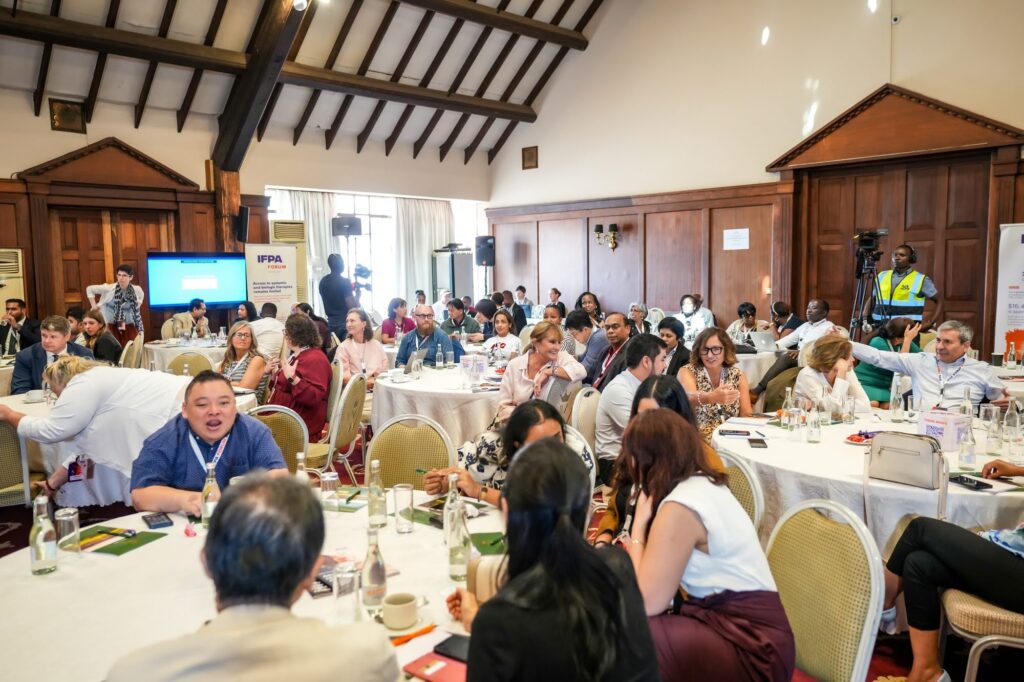
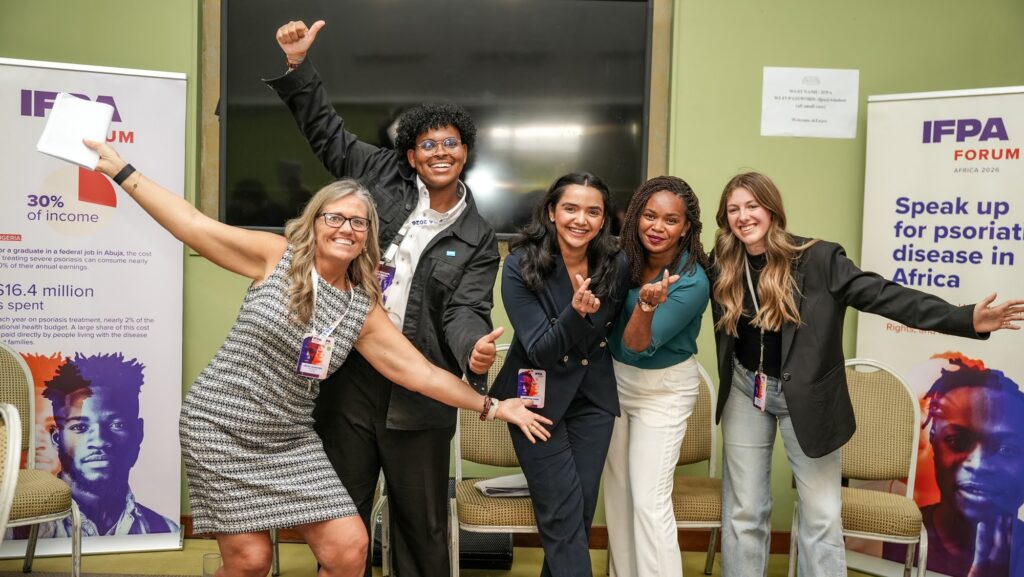
From Voice to Structure
As leadership within many organizations ages, questions of sustainability become increasingly urgent. Many leaders are asking, “Who will lead these organizations in the future? How can younger patients be encouraged to participate? Why do fewer young people seek community support or share their lived experiences compared with previous generations?”
According to Camille Lancelot, Community Manager at IFPA the International Federation of Psoriasis Associations), these concerns are widespread across patient organizations around the world.
“Many patient organizations are asking the same questions: who will be the next generation to take over? Sustainability depends on whether we are creating effective pathways for young people to get involved.”
One promising answer comes from Psoriatic Disease Ambassador Program, a program lead by Lancelot which offers a strong example of best practice in youth inclusion.
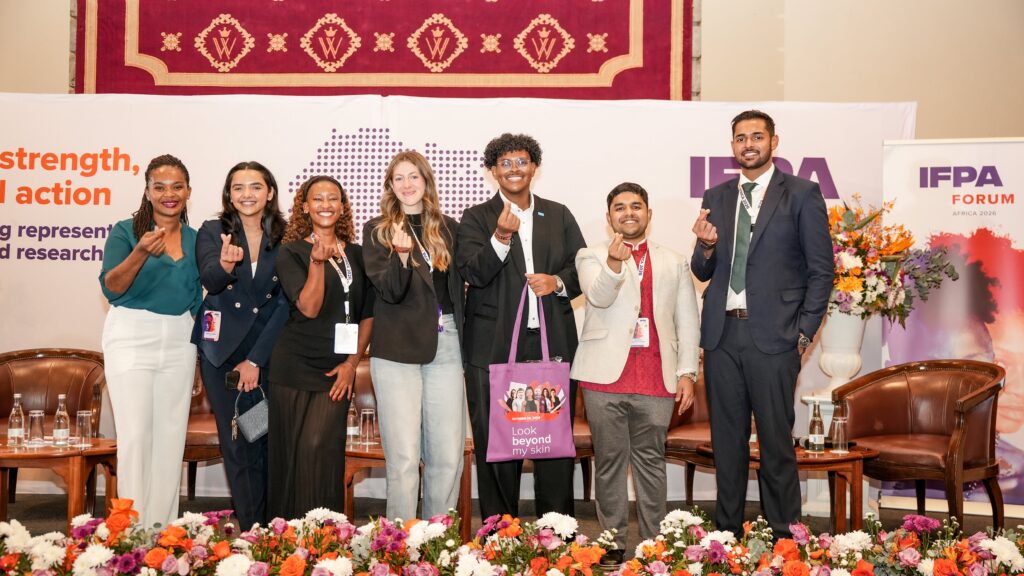
The Ambassador program recruits patient spokespeople from around the world who live with all forms of psoriatic disease. Participants receive intensive training in storytelling, ethics of patient participation, advocacy, project development, and mental health resilience. This preparation equips ambassadors to contribute meaningfully in highly professional settings, including research institutions, medical conferences, policymaking forums, and pharmaceutical companies.
What makes the program particularly effective is not simply its training—it is the responsibility and trust given to participants.
While the program intentionally embraces diversity across age, geography, and lived experience, one of its most significant outcomes has been the discovery of numerous highly capable advocates under 35 years old. Many had never engaged with a patient organization before. Some came from countries where no psoriatic disease organization existed at all.
By offering these individuals structured support and meaningful opportunities, IFPA has successfully tapped into a powerful source of expertise and energy.
“One of the unexpected benefits of the Ambassador Program has been discovering so many young people with extraordinary insight and passion,” says Lancelot. “Many were not connected to formal patient organizations, but still found alternative ways to build knowledge and express dedication. They were ready to contribute at a very high level.”
The program’s approach also creates ripple effects beyond the global stage. Ambassadors are encouraged to build connections with local patient communities where possible, and several have gone on to establish patient associations in their own countries.
The success of IFPA’s program reveals an important truth: the key to youth participation is not simply inviting young people into existing structures—it is sharing power with them.
Too often, young adults entering the patient advocacy space are expected to prove themselves repeatedly before being trusted with meaningful responsibility. Their ideas may be welcomed in theory but sidelined in practice. Existing leaders may ask for more experience before granting leadership roles, unintentionally creating barriers that discourage participation.
The result is predictable. Young people feel unheard, excluded, and uncertain of their position.
Would anyone remain engaged in an organization where they had no real role?
As Lancelot explains, the issue is not a lack of capability among younger advocates.
“Young adults are highly capable, passionate, and eager to contribute. The problem is not motivation—it’s access to meaningful roles and decision-making power.”
Of course, patient participation is a field that requires strong ethics, knowledge, and responsibility. Organizations must ensure advocates are prepared for the complexity of the work. But preparation should not become gatekeeping.
Rather than testing young people or requiring them to earn legitimacy through prolonged observation, organizations should focus on equipping them with the tools they need and placing them in positions where their perspectives can shape outcomes.
This is precisely what makes the IFPA Ambassador Program a model worth replicating.
Its success lies in recognizing that youth itself offers a form of expertise.
Young people understand what it means to navigate healthcare today. They know firsthand how social media shapes health communication, how digital platforms influence support networks, and how modern healthcare systems succeed or fail in meeting the needs of younger patients.
As Lancelot puts it:
“Youth expires. It is not enough to remember what we used to think when we were younger. We need first-hand perspectives from people who are young today.”
This insight reframes youth participation entirely. Young people should not be seen as future stakeholders waiting in the wings. They are current stakeholders with indispensable expertise.
The first step toward meaningful youth inclusion is listening. The second is creating opportunities for participation. But true success goes further: it requires shared power.
When young people are trusted as leaders and experts—not merely consulted as symbolic representatives—their advocacy evolves from consultation into genuine partnership. That nuanced difference is one that patient advocates of all ages understand very well.
The question for patient organizations is no longer whether youth should be included.
The real question is this:
Is your organization authentically sharing power with young people?
Kind regards
Camille Lancelot
Community Manager