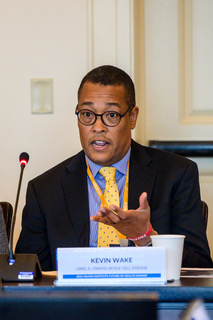
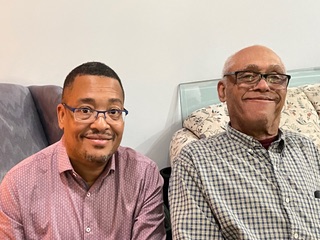
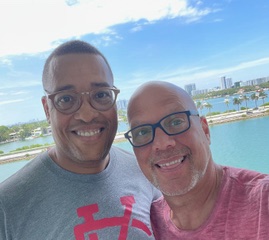
As patient advocates, many of us begin this work fueled by passion—by lived experience and a desire to create change. For some of us, that work is shaped by bringing multiple perspectives at once. For me, I am a Sickle Cell Warrior, a caregiver, a former pharmaceutical executive, a patient advocate, a former organizational leader, and someone actively engaged in political advocacy. Wearing all those hats is rare and deeply valuable…but it also carries huge weight.
Over time, that same passion can become weighed down by the responsibilities of leadership, operations, and administration.
It raises important questions—ones I’ve found myself navigating in real time:
When do we burn passionately for the cause and when do we risk drowning in administration?
How do we protect our energy as advocates? When is it necessary to step away from operational leadership in order to strengthen our voice and impact?
And at some point, we must ask: Are we still shaping the work or is the work shaping us?
In my own journey, I’ve learned that being deeply involved does not always mean being most effective. I have also learned that at times, some people within the advocacy space are not always as passionate as you are and at times, they can do things that go against your own moral boundaries in their actions.
Protecting our energy is not stepping away from our advocacy—it’s sustaining it. It requires intention, boundaries, and a willingness to redefine our role when necessary.
For me, that meant making the difficult decision to step away from operational leadership—not as a retreat, but as a strategic shift.
It allowed me to return to what matters most: elevating patient voice, influencing systems, and staying grounded in purpose.
"I Believe strongly that advocacy is not about doing everything, it’s about doing what matters most and where your voice can create the greatest impact."
This transition has reinforced something I believe strongly: strongly that advocacy is not about doing everything, it’s about doing what matters most and where your voice can create the greatest impact. It has allowed me to be true to myself, and aspects of my health has even improved.
I am also quickly learning that as one door closes, others open and the impact of my voice and activities continue to be vital to the patient communities.
These reflections align closely with the work of PiCC United—an organization helping to shape the evolving landscape of patient leadership. Their focus on sustainable engagement, self-care in advocacy, clear structures, and professionalizing the patient role—without losing authenticity—is exactly what this moment requires.
As patient leadership continues to evolve, we must ensure that structure does not replace authenticity, and that responsibility does not come at the expense of well-being.